Dump Trailer Parts Export Packing: A Checklist for Panels, Floors and Brackets
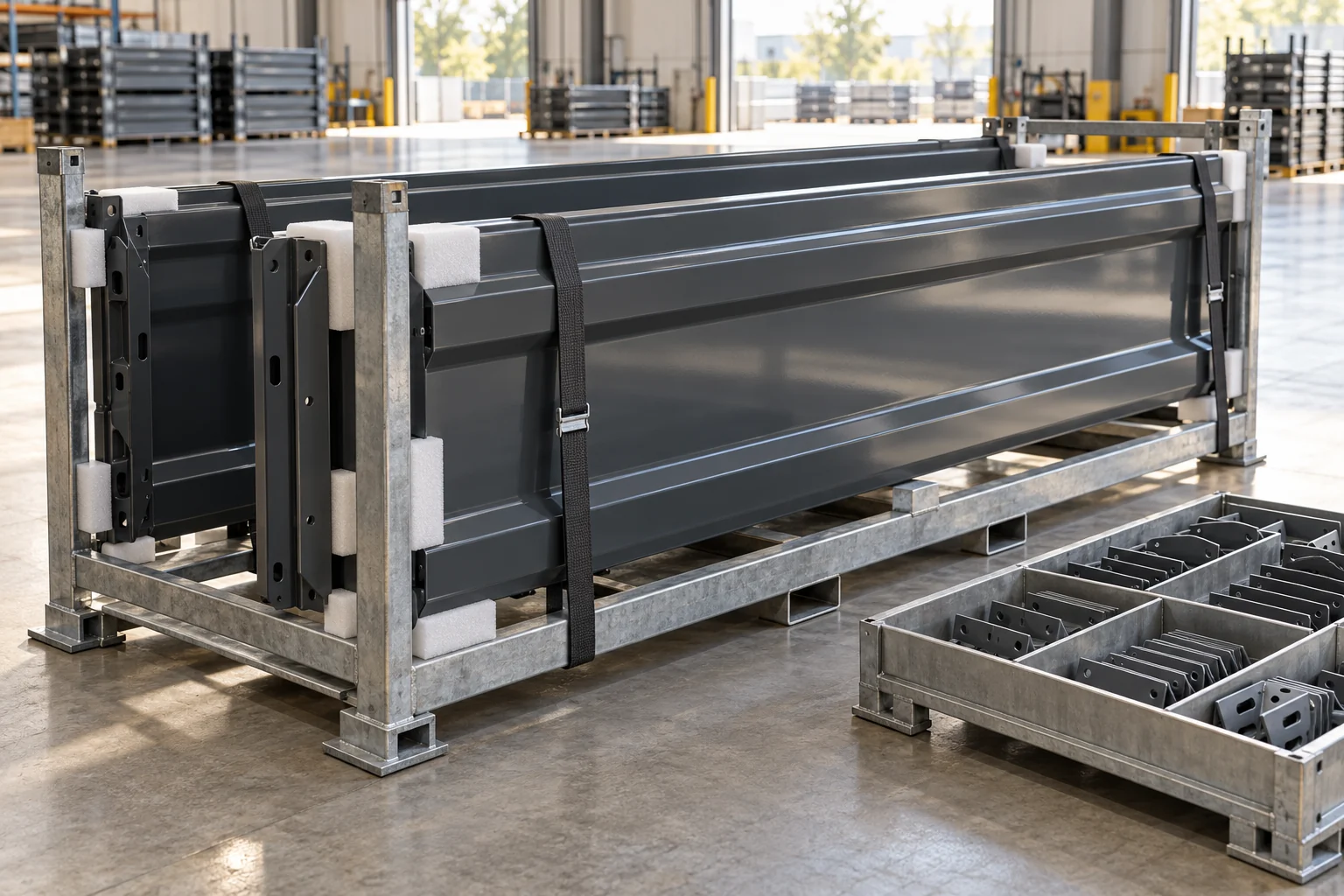
Plan for the receiving process before packing begins
Trailer components can include long side panels, broad floor fabrications, tailgates and small brackets in the same order. They need different protection and identification arrangements. A shipment that is easy to count at the supplier may still be difficult to unpack and organize at the customer’s assembly station.
Tell the supplier how the parts will be received and stored. Will matched sets be issued to one assembly station, or will each component group enter separate inventory? Confirm the planned handling equipment and site restrictions with your logistics team. This guide is a procurement checklist for agreeing the package, not a substitute for a professionally assessed lifting or cargo-securing plan.
Specify the protection needed by each component group
Identify the surfaces and features most vulnerable to contact during storage and transit. A finished sidewall may need separation between visible faces; a machined bracket may need protection at a bore or contact face. State the condition the parts must reach receiving in, then ask the supplier to propose an arrangement for review.
| Component group | Detail to review | Receiving question |
|---|---|---|
| Side panels and bulkheads | Supported edges, separators and identification | Can each wall be removed and recognized? |
| Floor fabrications | Support positions and protected mating surfaces | Are reference features accessible for checking? |
| Tailgates | Protection of hinge and latch interfaces | Are interface items accounted for? |
| Brackets and loose plates | Separated groups, quantities and item labels | Can small parts be reconciled without mixing? |
Discuss corrosion protection and storage duration separately from physical contact protection. Specify the intended environment and compatibility with subsequent painting, welding or assembly. Do not assume that wrapping alone delivers a defined corrosion-protection period.
Choose component grouping deliberately
Packing by matched trailer set can make assembly kitting easier, while packing by part family can simplify bulk inventory. Each approach has tradeoffs in package layout, access and counting. Agree the approach for the actual order rather than letting it be decided only at dispatch.
If parts are nested, confirm how adjacent surfaces will be separated and how the packing arrangement preserves their shape. Nesting can affect package size, but a compact load is not automatically a better delivery. Any savings should be reviewed alongside handling, protection and the customer’s ability to remove the parts using the planned equipment.
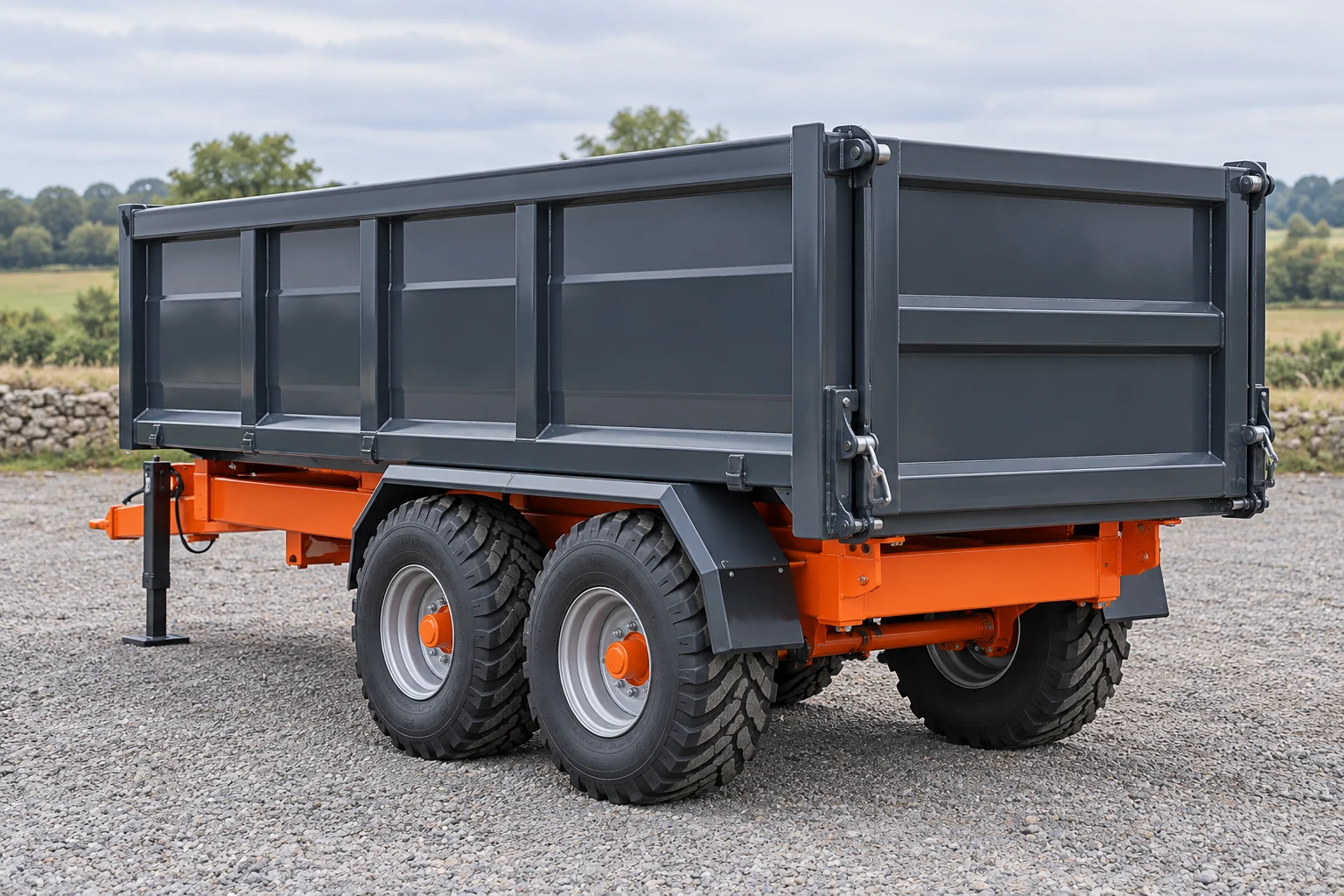
Make identification follow the part after unpacking
The packing list should connect package identifiers to item references, drawing revisions and quantities. Where left and right parts are similar, include handedness in the identification plan. If a matched set is split between packages, make that relationship explicit in the list.
Agree where identification is allowed. Temporary labels should not interfere with a mating surface or create an unresolved cleaning requirement before customer processing. Ask how item identity will be preserved if the outer wrapping is removed for receiving inspection. Purchased hardware, when included, needs its own clear count and item reference.
A useful receiving record captures the package identifier, the component item, quantity and any discrepancy. It should use the same references as the order and approved drawings.
Review package and handling information before dispatch
Request the agreed package count, external dimensions and gross and net weights when available. Your logistics team needs the actual shipment information to review transport and site handling arrangements. Early estimates should be identified as estimates and replaced with confirmed data before the relevant booking or approval step.
Ask for packing photographs that show the overall package and the agreed protection details before they become concealed. Photographs can support a release review, but they do not establish the strength of the package or replace a required check. Confirm who approves the final arrangement and how any changes will be communicated.
Transport restraint, stacking, lifting and container loading must be assessed for the actual cargo and route. Do not infer handling permissions from a generic product or packing image.
Check wood packaging requirements with the destination in mind
The IPPC describes ISPM 15 as addressing pest risks associated with raw-wood packaging in international trade, including dunnage, while excluding wood processed in a way that makes it free from pests, such as plywood. Review the official IPPC adopted standards page for the standard and current reference.
When wood is proposed, identify the actual packaging materials, including any solid-wood supports or dunnage. Have the supplier and your broker or relevant authority confirm applicable destination requirements and the evidence needed. A plywood panel in a package does not describe every material in that package. This article does not confirm compliance for any specific shipment or claim that THYH has approved a particular packaging design.
Connect dispatch records to a practical receiving checklist
Before release, reconcile the final packing list with the purchase order and agreed component scope. Check that excluded hardware has not been counted as supplied, that matched sets are complete and that the package documentation uses the released drawing revisions. Agree which inspection or material records accompany the shipment.
- Record package condition before opening, following your receiving procedure.
- Match package identifiers and item quantities to the packing list.
- Check the protected critical features and record any apparent discrepancy.
- Keep the relevant package and component references with receiving photographs.
- Resolve discrepancies through the agreed supplier communication process before affected parts enter assembly.
Include your packing requirements with the initial component RFQ. THYH can review them alongside the drawings and quote the agreed packing scope for panels, floor fabrications and supporting metal parts.
Frequently Asked Questions
Should dump trailer components be packed by trailer set or by part type?
Either approach can be considered. Choose it according to receiving, inventory and assembly needs, then agree how quantities, matched parts and package identifiers will be recorded.
Does plastic wrapping alone define corrosion protection?
No. Specify the intended storage and transit conditions, required protection and compatibility with later processing. The protection method and its acceptance requirements must be agreed for the order.
Does a packing photograph prove that a shipment meets all requirements?
No. It can show visible packing details, but it does not establish package strength, cargo restraint or destination compliance. Review the actual specification and required records.
Is all wood packaging covered in the same way by ISPM 15?
No. The standard distinguishes raw wood from certain processed wood materials. Check every relevant packaging component and confirm applicable destination requirements with the appropriate parties.
Related Reading & Components
Sources & Further Reading
These references support the specific technical context discussed above; they do not certify our components or replace project-specific design review.